
The Importance of Omega 3s
Posted by M. Terry on January 31, 2018
https://wholetothecore.com/2018/01/31/the-importance-of-omega-3s/
Obese America
Scary Health Facts for America
-
36.5% of Americans are obese (this is obese only – it does not include those who are overweight).
-
97 million Americans are effected by obesity-related conditions including heart disease, stroke, type 2 diabetes, and cancer. These diseases constitute the second leading cause of preventable deaths in the United States.
-
$147 billion is the estimated yearly total of obesity-related medical costs in our country.
-
1 is the number of people it takes to encourage and walk alongside someone in his or her pursuit to change from an unhealthy diet and seditray lifestyle to one of healthy eating and consistent exercise. My prayer is that we can each be that cheerleader for someone or, if we are the one in need of that change, to seek out someone to be that person for us.

Posted by M. Terry on October 26, 2017
https://wholetothecore.com/2017/10/26/obese-america/
Fall Garden From Seed – Done!
Today I finished my fall garden, and this is the first time that I started from seed. I planted seeds in small containers (5 oz paper cups 🙂 ) about a month ago. Some grew, some did not. Between using organic seeds I got for a great deal on Amazon, re-purposed soil and crates, compost and a good bit of free burlap, I was able to complete my garden for $40. I may be spending more if my seedlings/seeds don’t make it and have to resort to buying plants, but I had to try from seed at least once. My fingernails are still dirty, I met some cool little critters, and got a lot of vitamin D. These are just the beginning of the benefits of my little garden. (The lush green leaves in my garden are my crazy, takin’ over the whole place, sweet potatoes. Those have been there for a couple of months, and I am anxious for them to be ready to harvest.)

Step 1 – Line crate with burlap and fill 2/3 way up with organic soil

Step 2 – Add a layer of compost
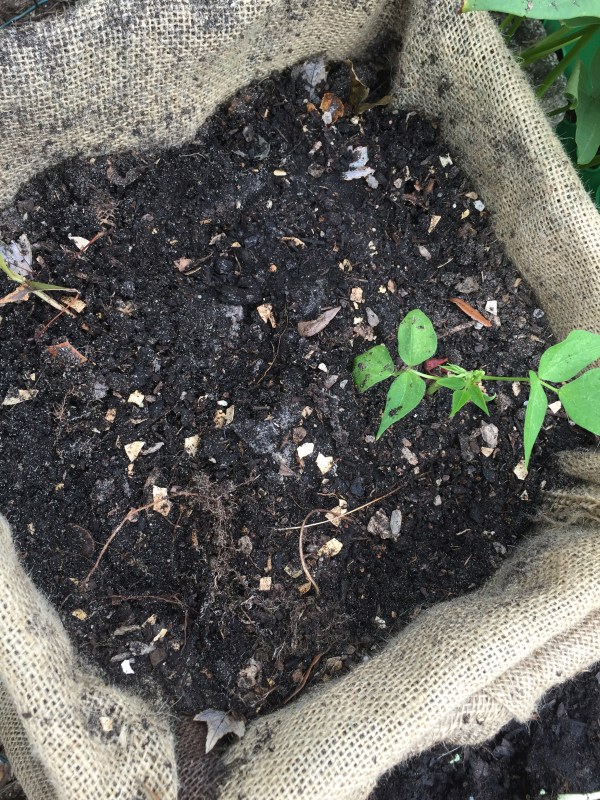
Step 3 and 4 – Add another layer of organic soil and plant seed/seedling/plant (and water!)

Finished!
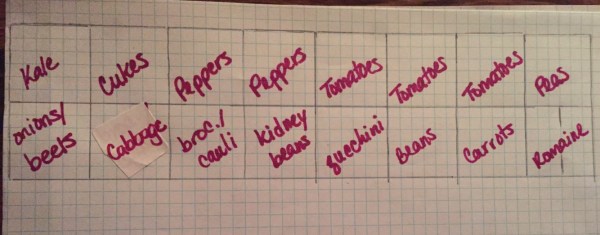
My “what is where” chart
Posted by M. Terry on September 18, 2017
https://wholetothecore.com/2017/09/18/fall-garden-from-seed-done/
Potassium – Anna’s Research Project
I’m very proud of my 10 yr old, Anna, working hard to complete her first project of the school year. I learned some great facts about potassium. Keep the added salt at bay and increase your intake of potassium-rich foods!

Potassium, the nineteenth element on the periodic table, is an essential mineral for the human body. Potassium was discovered in 1807 by Humphry Davy. How does potassium help us as humans? It is an electrolyte. Electrolytes produce electricity and move electrical signals throughout your body. For your brain, nerves, and muscles, and for the creation of new tissue, these electrical signals must take place. It also helps to regulate the amount of water in your body and keeps a healthy blood pH level. Your body must perform a balancing act between potassium and sodium, another electrolyte. When one of these electrolyte levels goes up, the other one goes down. While we have to have sodium in our body, we can’t have too much of it. Too much sodium can cause many illnesses or diseases, and Americans fail to regularly eat fresh fruits and vegetables, while eating foods prepared and flavored with too much salt. This keeps the levels of potassium down. Therefore, it is important to keep the levels of potassium up by eating and drinking the right foods.
Potassium is the third most prevalent mineral in the human body. The levels of potassium are critical to life—if potassium levels get too high or too low, the heart and nervous system can completely shut down. Potassium is a key to keeping kidneys healthy especially in the prevention of kidney stones. It also keeps the brain and muscular tissues healthy. Potassium plays a key role in keeping the body hydrated and can be helpful in preventing problems such as muscle cramping and nausea and even arthritis and depression.
Potassium is mainly found in plant-based foods with the addition of some fish and dairy products. Here are some great snacks that have a good amount of potassium: Sweet potatoes with regular potatoes or a mixture of dried fruits such as apricots, peaches, and figs. You could also have watermelon to bring up the levels of potassium. Lentil hummus with carrots is a great choice. What about a banana and orange juice smoothie or blueberry oatmeal? Some meals that have high levels of potassium are: spaghetti and meatballs with a spinach salad, salmon with a side of black beans topped with avocado slices. There is always a spinach salad mixed with beets and tossed with an orange vinaigrette. Another meal you can create is a bean and fennel soup. A sweet treat is a nice way to end your meal, so you can enjoy yogurt with chopped apricots and/or peaches. If you are an athlete or an active person, one of the best ways to stay hydrated is by eating a banana. Studies have been done that show food, like bananas, are better at keeping your performance level up. They even beat sports drinks which have too much sugar and too much sodium which makes the potassium and sodium levels unequal.
Since you know what potassium is and how it helps your body function, you can watch what you eat and make sure you are getting foods that are high in potassium and eating less salty food. Now go get some potassium flowing through your body. Grab a banana and water for your after-school activity!
Posted by M. Terry on August 26, 2017
https://wholetothecore.com/2017/08/26/potassium-annas-research-project/
Sand Circuit
Our beach day earlier this week turned into a mini-circuit workout for me. I didn’t get my normal morning workout in, and my schedule was a bit frazzled, so I took advantage of the kids’ beach time to squeeze in some exercise. I did a series of 5 full push-ups followed by 20 walking lunges in the soft sand. I ended up with 20 push-ups and 60 lunges and then joined the kids in their sand castle building fun. That ended up with me being a moat digger, therefore I got in a little extra arm workout 😉 So when you don’t think you can get exercise into your day, stay active and keep these things in mind:
-
Take advantage of where you are
-
Take advantage of the time you have
-
Act like a kid




Posted by M. Terry on July 14, 2017
https://wholetothecore.com/2017/07/14/sand-circuit/
Ultimate Chunky Nut Butter
 This is one of my go-to snacks each day. I love chunky nut butter, so I’ve been creating my own version. I make a large batch of this, and then I put a dollop of it in a jelly mason jar. It is then ready for me to take (along with a spoon) for an easy snack on a busy day. You can use any variety of nuts and seeds and spices.
-
2 cups of organic almond butter and/or peanut butter (365 Brand or Justin’s tests for aflatoxins)
-
1/4 cup pumpkin seeds
-
1/4 cup chopped walnuts
-
1/4 cup hemp seeds
-
1/4 cup chia seeds
-
1/2 teaspoon ground ginger
Place all the ingredients into a large bowl and stir. Store the chunky nut butter in a air-tight container in the refrigerator. (Store all nut butters in your fridge – always)
Posted by M. Terry on June 14, 2017
https://wholetothecore.com/2017/06/14/ultimate-chunky-peanut-butter/
Banana Ice Cream – 3 Ingredients

Banana Ice Cream
-
Frozen banana chunks (about 7-8 bananas)
-
1-2 Tablespoons nut milk (to keep the processing going 🙂 )
-
1 teaspoon vanilla extract
-
Melted peanut butter and chocolate chips (optional)
Place the frozen bananas, milk and vanilla in a food processor. Blend several minutes until the bananas are completely whipped and creamy. We like to serve ours in mugs with melted peanut butter drizzled over the top and a sprinkling of mini chocolate chips. This makes about 4-5 servings.
This is Joel from 4 years ago enjoying banana ice cream. It has been a long-standing “sweet” staple in our home, and it is still asked for.

Some of our other favorite cool treats:
Posted by M. Terry on June 9, 2017
https://wholetothecore.com/2017/06/09/banana-ice-cream-3-ingredients/
Orange Vs Green
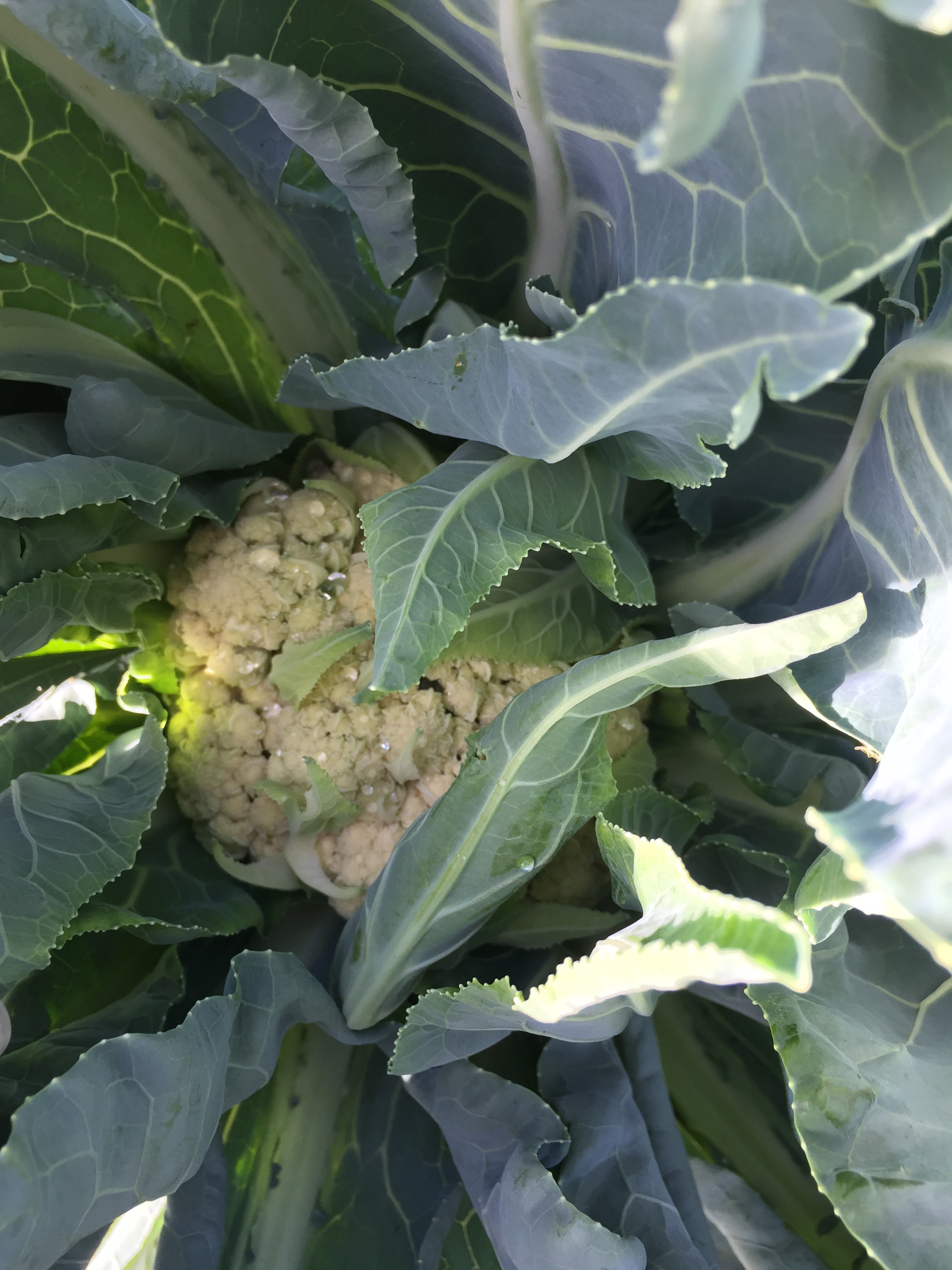
 An orange has a very slight lead per gram when it comes to vitamin C versus cauliflower, BUT cauliflower wins over an orange because it also has a good deal of vitamin K and B vitamins. With that said, I have been watching my cauliflower in my garden slowly grow its big, green leaves, and finally it has a head of cauliflower peeking out. The long, dark green leaves are gorgeous, and so how could I let them go to waste? I always do a quick research before I eat anything that is atypical, and tonight my Googling confirmed my suspicions- the greens are edible! So, for dinner, I made myself sauteed cauliflower greens with fresh garlic and mushrooms in coconut oil. That dish is now completely consumed and my immune system has had a little boost!

Posted by M. Terry on April 14, 2017
https://wholetothecore.com/2017/04/14/orange-vs-green/
Candy-free Easter Egg Hunt
If you are tired of filling plastic eggs with unhealthy and costly candy and little trinkets for the annual Easter egg hunt, here is what we do:
Fill the eggs with Monopoly money and allow the kids to do the hunt. The child who ends up with the most money, wins the grand prize. That means that someone can find the most eggs but still lose, and it gives the younger ones still an opportunity to win. I like to take an ordinary egg and stuff it with a few $500s as the “golden egg”. We typically do a $10 gift card to a kid-friendly spot, and the kids aren’t overloaded on sugar or leaving little toys all over. Happy hunting and counting!

Posted by M. Terry on April 3, 2017
https://wholetothecore.com/2017/04/03/candy-free-easter-egg-hunt/
Sugar Consumption – Be in the Know
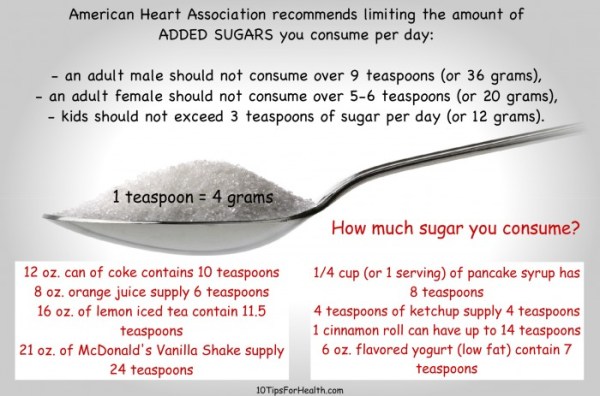
While the American Heart Association recommends that your daily intake of sugar be no more than 10% of your total daily calories, the World Heath Organization actually has recently stated that is should be only 5% of your daily caloric intake. The chart below is a great tool to help you understand how much 10% really is. Shoot for less though (as recommended by WHO) to avoid the negative effects of sugar such as the risk of diabetes and heart disease, weight gain, premature aging, mental fogginess, the feeding of cancer cells, and even arthritis.
The average American adult is consuming over 20 teaspoons of sugar a day, and the average American child is being given an average of 19 teaspoons of sugar each day – that’s 6x what is recommended by the AHA!
Make it a point to stick with natural sugars found in fruit and vegetables and avoid or limit all the added sugars. Your body and mind will thank you for it!
Posted by M. Terry on March 27, 2017
https://wholetothecore.com/2017/03/27/sugar-consumption-be-in-the-know/
Proverbs 31 Devotionals

 Whole to the Core Blog