The Christmas Party Hop

‘Tis the season for parties! This weekend, I have three different Christmas parties that I will be attending. The holiday food table is a struggle for many, and keeping up with a hectic schedule is also a hurdle we must overcome during this time of year. I love Florida Hospital and their focus on healthy living. Their website is full of great information and resources. For tips on keeping on track with your eating, exercise, and mental health, check out Nutritionist Sheeri Flynt’s power point presentation for the seminar that she presents during this month.

Holiday Eating Guide

7 Foods to Avoid

Take a look at this list from Fox News of 7 foods not to eat.  Very informative!


Wilted Celery, Asparagus Tips, and Dry Carrots

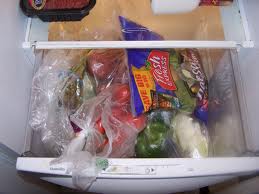
I would venture to bet that we all have some vegetables in our crisper drawer that have seen better days. Rather than just tossing out all those well-intended vegetables, I like to throw them in a large pot of water with salt, pepper, garlic, and other herbs and seasonings to make a vegetable broth. I bring everything to a boil, cover, and simmer on low for an hour or so. After it cools completely, I store my broth in 4 cup increments in large ziploc bags. I lay the bags flat and freeze them that way so they take up minimal space.  If you need the broth in a hurry, just cut the bag straight down the middle and place the block of frozen broth in a pot to heat on the stove or a glass bowl to nuke in the microwave.

So rather than tossing all your leftover Thanksgiving vegetables in the trash, put them to good use and make broth for all your winter soups like my Black and Orange Chili or Stonyfiled’s Vegetable and Chicken Curry.

Eating For Fuel and Satisfaction

Food’s primary purpose is to fuel the body. It has taken me YEARS to retrain my brain to think of it in this way. It used to be just an indulgence for me, and I would look forward to treating my taste buds rather than treating my body. Now my body is being super-charged AND I savor and enjoy every bite! Here are some tips for helping you keep your eating and body-fueling heading down the nutritious path:

  1. Use a smaller plate. I typically use a salad plate for my protein and carb portions and then use a salad bowl for my veggies.
  2. Use a big fork. According to a University of Utah in Salt Lake City study, taking bigger bites by using a large fork creates the perception of making a large dent in your meal and thus causes you to stop eating sooner. They estimate that this reduces food intake by 10-12%.
  3. Eat mini meals. Eating 6 or so mini meals throughout the day keeps you from overeating by curbing your hunger. When you skip a meal or eat inadequately, you approach your next meal with a growling tummy, and you are very likely to eat quickly and eat too much.
  4. Plan your eating. Always have healthy snacks on hand to help keep hunger pangs at bay. Plan on having snacks (trail mix, melt-free granola/snack bars, nuts) in your car, at the office, in your purse, or wherever they are needed so you are not tempted to grab fast food, visit the vending machine, or stop by 7 Eleven. My meal planning also includes cooking enough so I have leftovers for the next day or so. Check out my “In a Flash” breakfast ideas for mini-meals that are freezable or quickly assembled and are great any time of the day. Also, there are now many all-natural freezer selections that are handy on those super-busy days.
  5.  Do NOT give into “deals”. Just because something is advertised (i.e. A Quarter Pounder for just  $1 with any value meal purchase), you have a coupon, or it is on sale, do NOT buy it if you normally would not include it in your diet. A deal is not a deal if you don’t need it! (I tell that to my husband when he goes to buy another pair of Nikes or another t-shirt. Who needs 75 tees?!)

Just as you have your work day planned so you can have the most productive day possible, your meals and eating should be planned so you can have a purposely well-fueled body.

The “Tricks of the Trade” for Halloween Bags

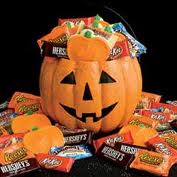
We already have a couple of pounds of Halloween candy in the kids’ trick-or-treat bags. Thankfully, they like to organize it more than they like to eat it! When you begin to rummage through those trick-or-treats totes, it’s great to have a plan in place to work off those extra calories that are quickly ingested, but not-so-quickly burned off. So, here is a “trick” to keeping those scary pounds off during Halloween:

Candy Calories Minutes Walking*
Smarties- 1 roll 25 7
1 Hershey’s miniature 42 11
Blow Pop 60 15
Snickers Fun Size 72 18
M&Ms Fun Size 90 23
Candy Corn (22 pieces) 165 41
Reese’s PB Cup 210 53

*For a 130 lb woman at a 3mph pace

How about trading some of those traditional treats for new ones? One of my favorite sites, Organic Deals, posted some great organic swap-outs for your conventional Halloween staples. My kids love the Yummy Earth Organic Lollipops and Annie’s Organic Gummy Snacks!

Arthritis, Inflammation, and Joint Health

I recently read an article in the September issue of Fitness Magazine titled “Recovery Mission.” This article focused on inflammation and it was quite intriguing. Ironically, I would need the information I gathered from  reading it just a few days later when I pulled my hamstring. During one of my runs, it felt as though I had a tennis ball-sized mass run from the back of my knee up to the middle of my hammy. It was definitely not a pain I could run off! So I walked home and implemented what I learned. Between ice, one Advil to reduce inflammation (I take drugs ONLY when necessary and that is one of the biggest reasons why I eat the way I do), rest, and my diet, I recovered within a few days. The definition of  or the science behind inflammation was new to me:

Your body creates inflammation as a quick way to heal everything from paper cuts to the flu. Essentially, the immune system increases blood circulation to the injured area, instigates infection-fighting heat, and sends white blood cells and other chemicals to ward off bacteria and mend damaged cells. When it’s doing that job, inflammation is a good thing. The long-term harm happens when the body continuously produces low-grade inflammation; unfortunately, the odds are high that you don’t even know the damage is being done. Even doctors can’t always point to where chronic inflammation is located in the body, and what its specific causes are.

Here are the culprits:

Saturated fat is found mostly in animal-based foods like red meat and whole-fat dairy products. “It’s bad both for the old-fashioned reason that it raises LDL [bad] cholesterol and also because it promotes inflammation throughout the body,” says Linda Antinoro, RD, a dietitian at the Nutrition Consultation Service at Brigham and Women’s Hospital in Boston, where much of the research on inflammation has been done.

Trans fats — chemically altered fats often found in crackers, cookies, and other baked goods — send bad cholesterol soaring and promote inflammation even more than saturated fat does. That’s why doctors recommend cutting trans fats out of your diet completely. They’ve been clearly marked on nutrition labels since a new law requiring this went into effect at the start of the year.

Omega-6 polyunsaturated fat may also have inflammatory components and is probably not even on your radar. That’s because food labels don’t list omega-6 specifically; it’s included under the umbrella of all polyunsaturated fats. Omega-6 is found in corn, soybean, sunflower, and safflower oils; it’s also in packaged goods that list these oils as ingredients — and the grocery-store shelves are full of them.

Until very recently, omega-6 has been viewed as healthier than saturated and trans fats, because it may improve cholesterol levels. However, research now suggests that in the fight against heart disease, and possibly other ailments, lowering cholesterol may not be as beneficial as lowering inflammation. And that’s where omega-6’s dark side comes into play: It appears to boost inflammation. In one study, people who consumed more omega-6 fat had higher blood-sugar levels and less insulin sensitivity — two risk factors for diabetes.

The body needs a certain amount of omega-6 each day to function properly — about that found in a tablespoon of Thousand Island dressing or a 1-ounce bag of reduced-fat potato chips. But because it’s so prevalent in packaged foods, the typical American consumes far more than this, says Davis — and to the exclusion of inflammation-fighting fats.

Sugar and other simple carbs can make your blood sugar spike; this has been linked with higher levels of inflammation. A high sugar intake may not trigger inflammation on its own, says Davis, but it may worsen the effects of unhealthy fats.

Here are some of the cures:

Fish, Walnuts. Ground flax seeds, Chia seeds. These foods are high in omega-3, another type of polyunsaturated fat, which, unlike omega-6, can help counteract inflammation. In fact, in a 2004 study in the Journal of the American Medical Association, people placed on a Mediterranean diet that included foods high in omega-3 had less inflammation, lost more weight, metabolized insulin better, and had healthier blood vessels than people who ate just as healthfully but weren’t on this diet. Most Americans don’t get nearly enough omega-3 in their diets. Aim for more than two grams of omega-3 a day, from both plant and fish sources. A three-ounce serving of salmon has 1.2 grams and one ounce of walnuts contains 2.6 grams.

Olive Oil, Peanut Oil, Nuts, Avocados. These foods are rich in monounsaturated fat. Monos on the whole appear to be anti-inflammatory and are already associated with improving the body’s cholesterol balance. But olive oil may have some unique anti-inflammatory powers as well, according to research at the Monell Chemical Senses Center in Philadelphia. Taste experts there noticed that extra-virgin olive oil produces a “bite” in the throat similar to that of ibuprofen, a nonsteroidal anti-inflammatory drug. In tests, they discovered a compound in olive oil called oleocanthal that may fight inflammation in a way similar to that of NSAIDs.

Fruits, Vegetables, Whole Grains. These foods provide a different inflammation defense: antioxidants, which may affect inflammation in the same way that closing the damper affects a fire. Antioxidants include vitamins A, C, and E, as well as phytonutrients like carotenoids (found in orange and yellow vegetables such as carrots and sweet potatoes) and flavonoids (found in red and purple fruits such as apples, berries, and grapes). Look for produce with deeper or brighter colors, which tend to contain the most antioxidants. According to government recommendations, you should eat two cups of fruit and two and a half cups of vegetables every day, choosing from a variety of colors throughout the week.

Herbs, Spices, Teas. Cinnamon, curry, dill, oregano, ginger, and rosemary are all concentrated sources of antioxidants that can fight inflammation. Most teas are also chock-full of them, including the green, black, white, and oolong varieties.

And since it happened to me again two days ago, I am doing what I did once before. However, this time I was given spousal approval to get a sports massage. So at 4:00 on Thursday you can pray for me as I am receiving “treatment” 🙂


Cheers to Chocolate and Coffee

DARK CHOCOLATE AND  COFFEE

Mention one of these words, and it illicits many views. Mention both of these, and I am sure that today will be an above average day according to site stats!

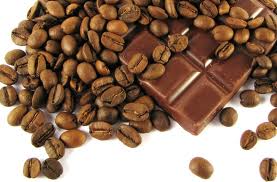
A study in the American Journal of Hypertension (doesn’t sound like much of a bathtub read, does it?) answers a much asked question, “How much chocolate does one need in order to reap its benefits?” The study conducted determined that one square of dark chocolate had just as much effect on a drop in blood pressure as did four squares. So save yourself those extra calories and savor that one piece of Dove!

And what goes better with chocolate than coffee?! In The Journal of Physical Chemistry B (even worse than the hypertension journal I would think!), research shows that the caffeine in a daily cup (or two) of coffee provides enough antioxidants to help reduce your risk of heart disease and Alzheimer’s. So drink up and enjoy happily!

Lunch Box Hero

We started school here on the Space Coast almost 2 weeks ago. I know that over the next couple of weeks, all schools will be back in session and, as everyone is beginning to head back to class, I wanted to spend the week focusing on some healthy tips to get the year started off right.

LUNCH BOX HERO

So, are you a lunch box hero? Or are you a lunch box villain? While the standard PB&J is a great stand-by for our kids’ lunchboxes, mixing things up makes for an exciting lunchtime.  They anxiously open their superhero or princess lunchbox, wondering what Mommy has packed them for the day. Here are a few ideas that I like to use…

Mediterranean Pasta Salad – Finely dice red peppers, onion, and fresh spinach. Mix them with feta, sliced black olives, and small whole grain pasta. Toss with a bit of Greek vinegarrette.

Greek Chicken Salad – pack some walnuts separately to add to the salad and serve with pita bread triangles

French Cafe -An open-faced ham,  cheese (reduced-fat), spinach, and tomato sandwich on whole grain baguette and a  fresh fruit yogurt parfait

PB & A Roll Up – Spread peanut butter on a whole grain wrap and place on apple slices, raisins, and drizzle with honey. Roll up and cut in half.

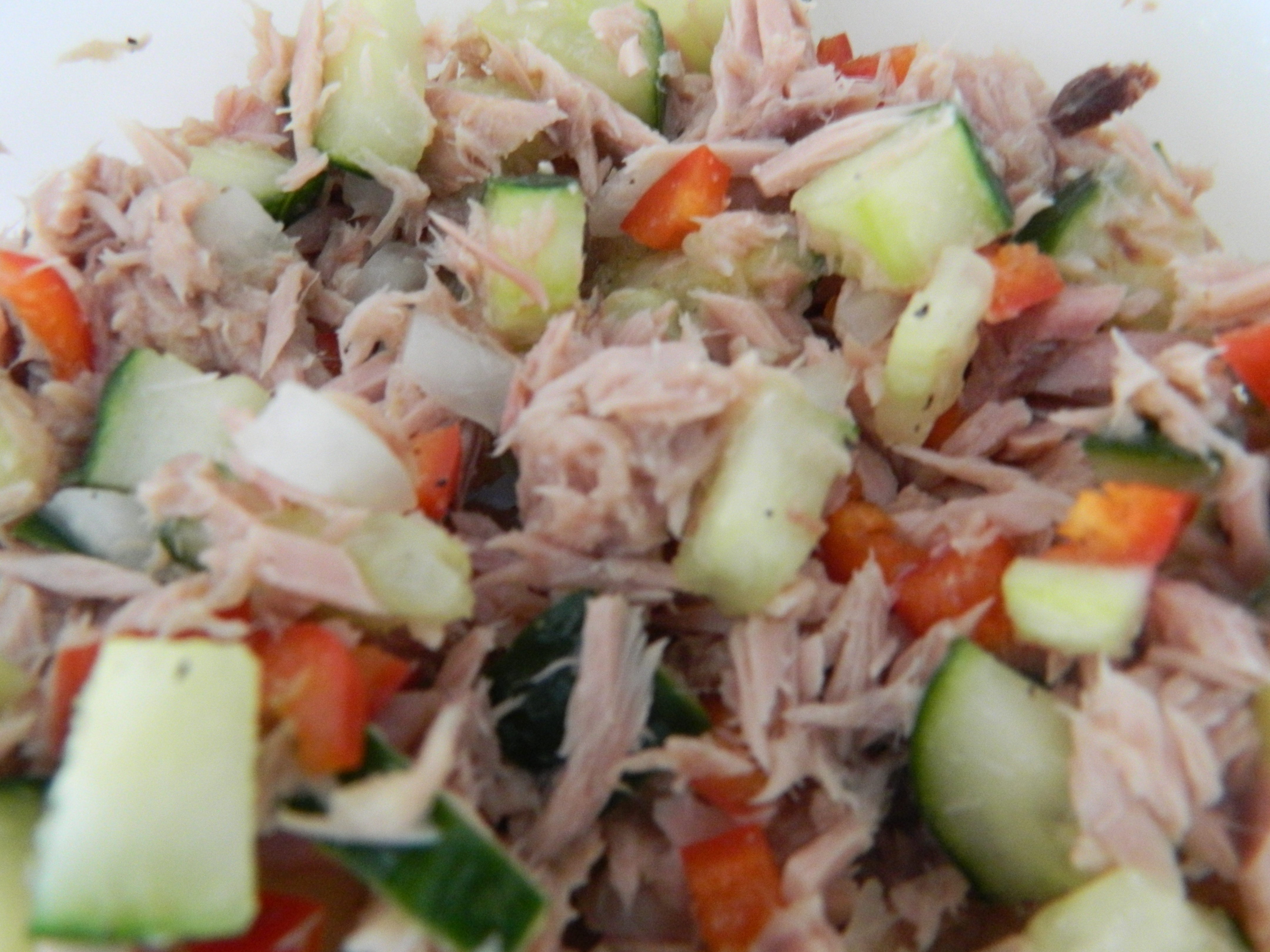
Tuna with Cucumber and Red Pepper Relish – mix 1 can drained, water-packed tuna with 1/3 cup of the relish and scoop up with brown rice chips

Cucumber and Red Pepper Relish

  • 1 cucumber, finely diced
  • 1 large read pepper, finely diced
  • 2 tablespoons fresh parsley, chopped
  • 1 tablespoon olive oil
  • 1 tablespoon rice wine vinegar
  • salt and pepper to taste

Add all ingredients together and cover and chill.

Check out some other lunch box ideas at Cooking Light and Sweet Greens. And don’t forget a love note 🙂

Crudite S’il Vous Plait

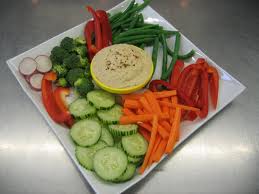
It’s almost dinner time, the kids are doing homework, and everyone is a little grouchy. A crudite tray is my solution to this problem. I always try to keep fresh fruit and veggies sliced so I can place them out as dinner times approaches. My kids know that they are allowed to come to the table and munch away as I finish up dinner. This keeps them from whining before dinner, and it also fills them up on a variety of fruits and veggies so we are not battling over eating them during dinner. I am sometimes asked how I get my kids to eat vegetables. This is one of the best solutions I have!

One Fat Nation

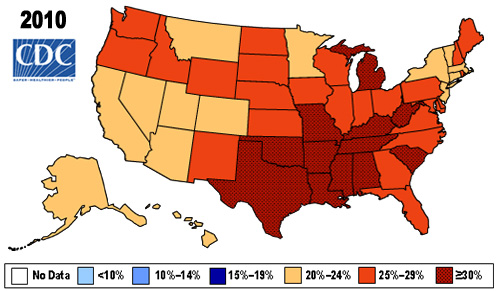
 A new report is out and it’s not pretty. It shows just how “fat” this nation has become. In 1995, no state had an obesity rate above 20 percent. Now, all but one- Colorado-  does. Here is a snip-it of the report from Fox News. Or watch this Fox News video “The State of Obesity”.

An annual obesity report by two public health groups looked for the first time at state-by-state statistics over the last two decades. The state that has the lowest obesity rate now — Colorado, with 19.8 percent of adults considered obese — would have had the highest rate in 1995.

“When you look at it year by year, the changes are incremental,” says Jeffrey Levi, executive director of the Trust for America’s Health, which writes the annual report with the Robert Wood Johnson Foundation. “When you look at it by a generation you see how we got into this problem.”

The study, based on 2010 data, says a dozen states top 30 percent obesity, most of them in the South. Mississippi topped the list for the seventh year in a row, with Alabama, West Virginia, Tennessee and Louisiana close behind. Just five years ago, in 2006, Mississippi was the only state above 30 percent.

Go to the CDC website and watch the map below “in motion”. It shows, year-by-year, how our country’s obesity rate has crept from “blue” (low obesity rates) to “red” (high obesity rates). This is a great visual tool in order to see just how quickly we have become overweight.